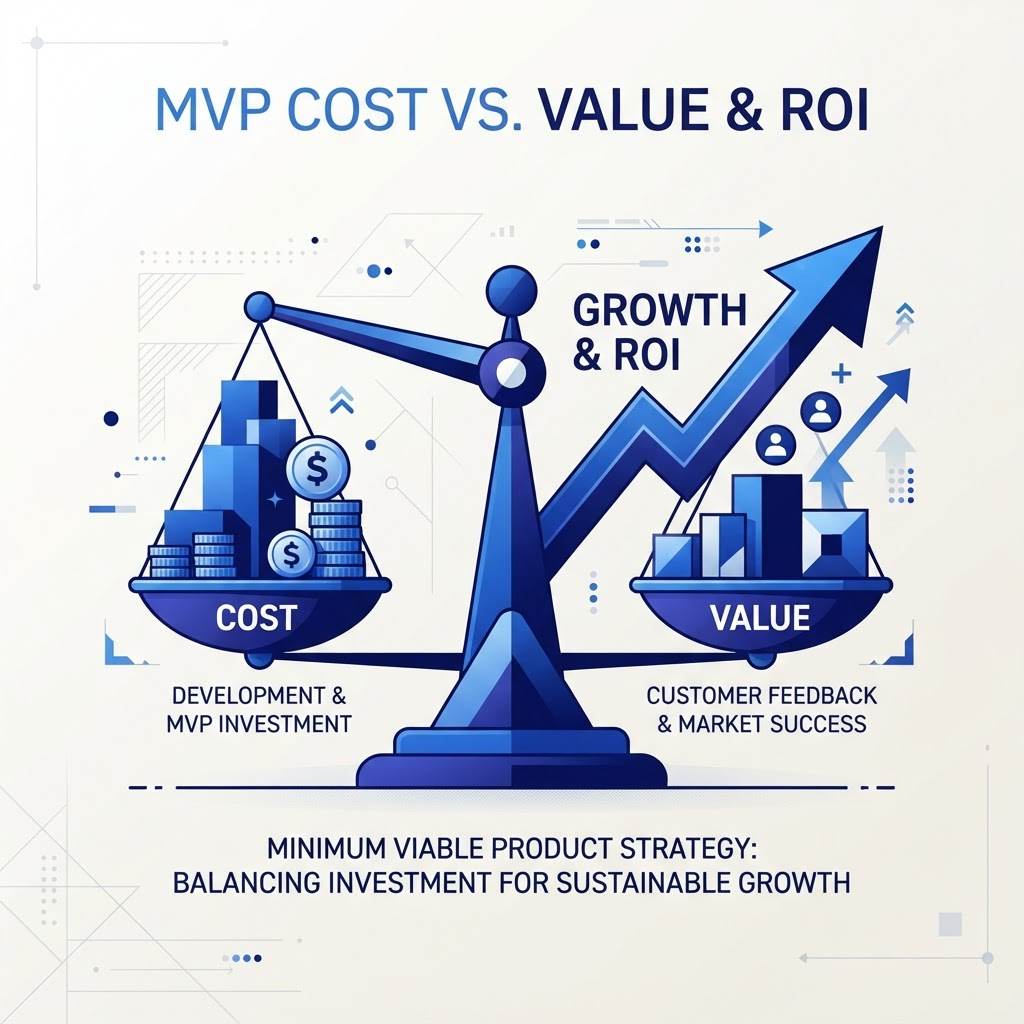
How Much Does MVP Development Cost in 2026?
A clear breakdown of what drives MVP development cost, realistic budgets by complexity, and practical ways to spend your runway wisely.
What actually drives MVP development cost
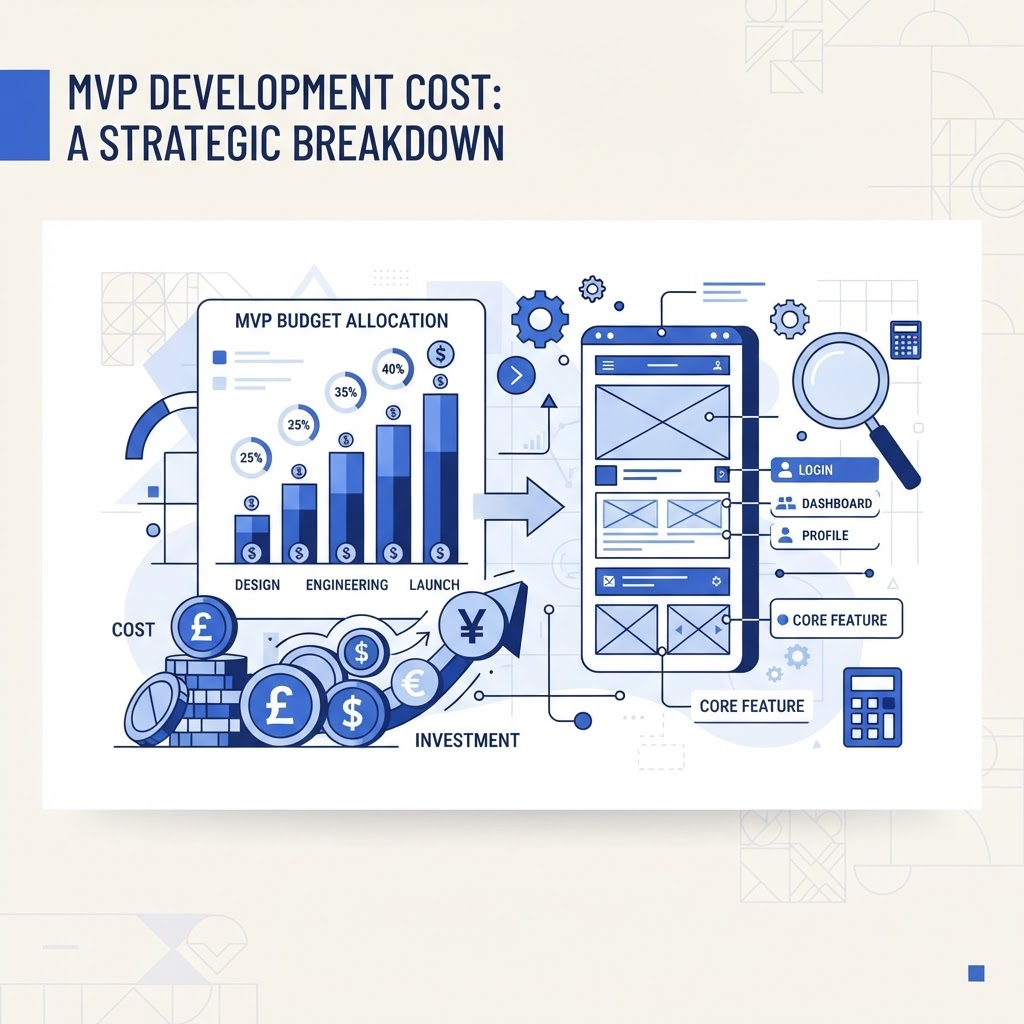
MVP development cost is one of the first questions every founder asks, and the honest answer is: it depends. But it depends on a small number of predictable factors, and once you understand them you can estimate your own budget with reasonable confidence. The biggest drivers are scope, complexity, integrations, design fidelity, and the team you hire to build it.
Scope is the number and depth of features. A single-flow product — say, a booking tool with one core action — costs far less than a two-sided marketplace with payments, messaging, and dashboards. Complexity covers the hard parts under the surface: real-time features, heavy data processing, offline support, or strict compliance requirements like HIPAA or PCI all add engineering time.
Integrations matter more than founders expect. Every third-party service — payment processors, mapping, email, analytics, CRMs — is a small project of its own. Design fidelity is the difference between a clean, functional interface and a fully branded, animated experience. Finally, who builds it changes everything: freelancers, offshore teams, and senior product studios sit at very different price points.
Typical MVP budgets by complexity
While every project is unique, MVP development costs cluster into recognizable tiers. Use these as planning anchors, not quotes.
- Simple MVP ($10,000–$25,000): one core flow, a handful of screens, basic auth, and one or two integrations. Ideal for validating a single hypothesis.
- Standard MVP ($25,000–$50,000): multiple user roles, a real database, payments, notifications, and a polished UI. The most common range for funded startups.
- Complex MVP ($50,000–$100,000+): marketplaces, real-time features, AI capabilities, or regulated industries with compliance overhead.
How to reduce MVP development cost without cutting corners
The cheapest feature is the one you do not build. Ruthless prioritization is the single most effective way to control MVP cost. Separate must-haves from nice-to-haves, and defer anything that does not directly test your core hypothesis.
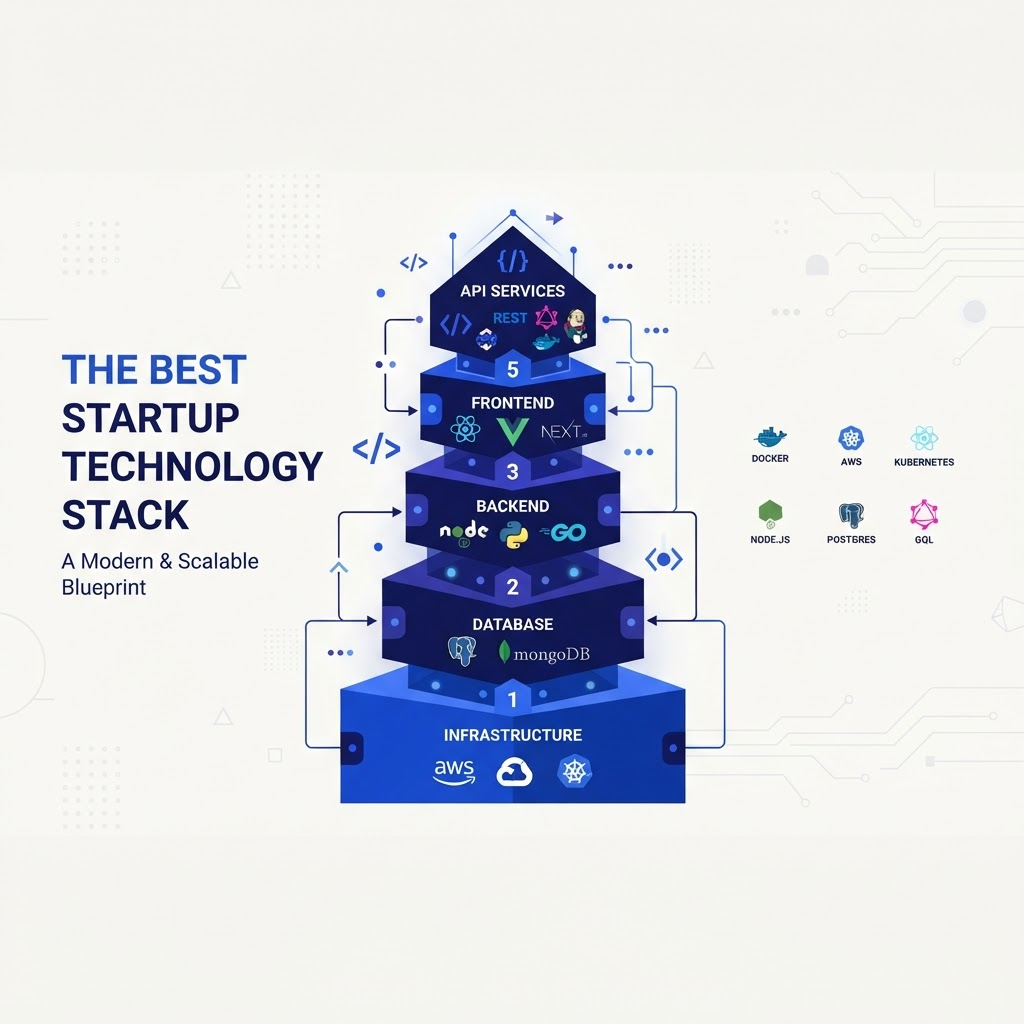
Reusing proven building blocks — authentication, payments, and hosting from established providers — saves weeks of engineering. A modern stack like Next.js on managed infrastructure lets a small team move quickly without maintaining servers. Finally, working in two-week sprints with weekly demos means you can stop, pivot, or reprioritize before money is wasted on the wrong thing.
Frequently asked questions
Most funded startups spend between $25,000 and $50,000 for a standard MVP, though simple products can start around $10,000.